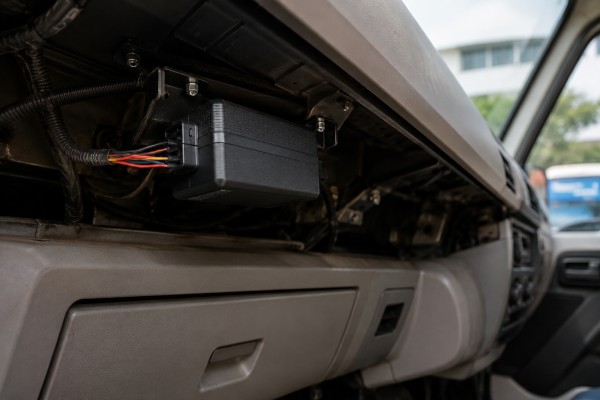
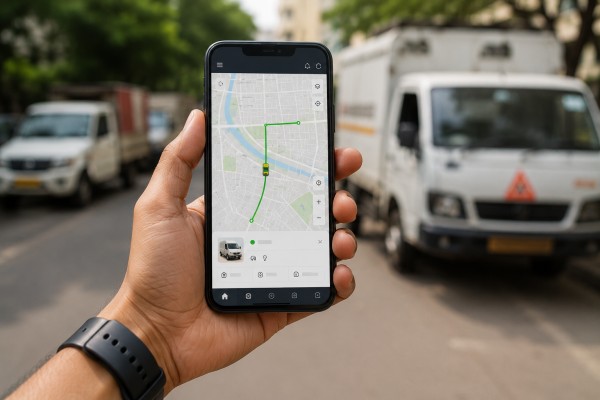
The Jharkhand Transport Department, enforcing the Ministry of Road Transport and Highways AIS-140 mandate, requires all public service vehicles registered in Jharkhand to be fitted with a certified Vehicle Location Tracking Device. This applies to all taxis, tourist vehicles, school buses, goods carriers, and auto-rickshaws on contract carriage operating in Jharkhand. Compliance is verified at fitness certificate renewal, permit issuance, and at RTO and highway checkposts across Jharkhand's major road corridors.
Jharkhand has a commercially distinctive character shaped by three dominant forces. First, the state sits on one of the world's richest mineral belts, including coal, iron ore, copper, mica, and bauxite, and Jharkhand's mining sector generates an enormous fleet of goods transport vehicles, mining support vehicles, and industrial logistics carriers operating under commercial permits. Dhanbad is India's coal capital and its mining belt logistics vehicle fleet is among the largest in any Indian state. Jamshedpur is the home of Tata Steel, one of India's largest integrated steel plants, and the city's industrial logistics and employee transport fleet is equally large and consistently monitored for compliance.
Second, Deoghar is the site of the Baidyanath Jyotirlinga, one of the twelve holiest Shiva shrines in India and a year-round major pilgrimage destination that draws millions of pilgrims, particularly during the Shravan month when the Kanwar Yatra brings millions of devotees carrying holy water from the Ganges to the temple. All commercial taxis and pilgrim transport vehicles operating in and around Deoghar are required to carry valid VLTD certificates. Ranchi is Jharkhand's state capital with a growing urban cab market and significant government and institutional transport fleet. National Highway 33 connecting Ranchi, Jamshedpur, and the broader Jharkhand industrial corridor is one of the state's most heavily monitored commercial freight routes.