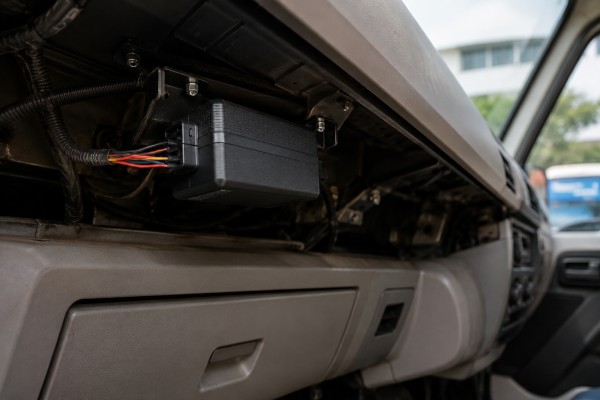
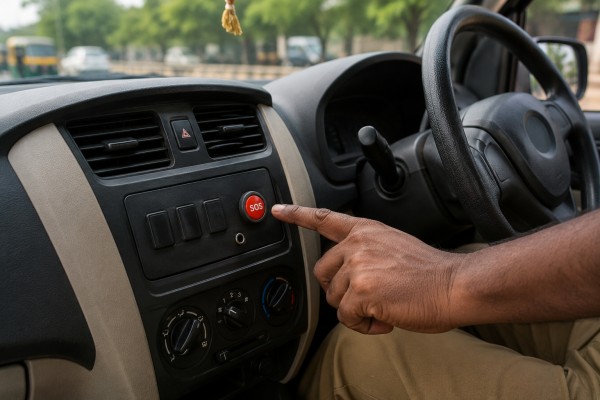
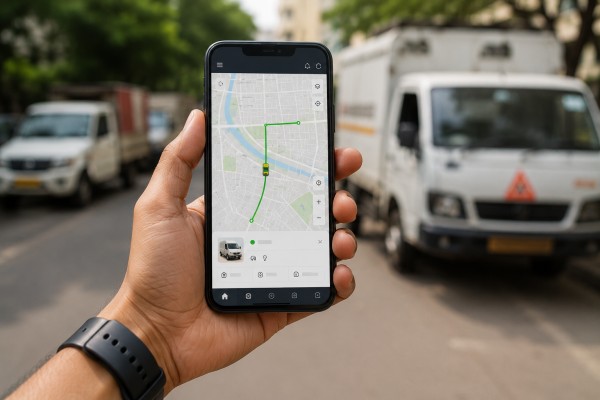
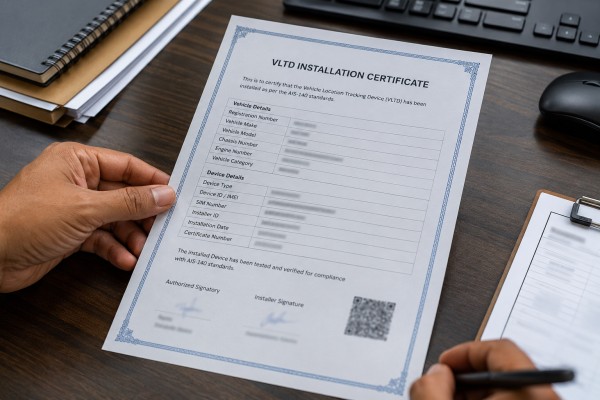
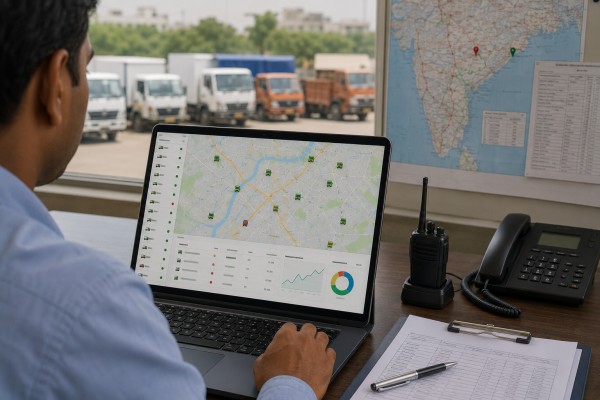
The Assam Transport Department, enforcing the Ministry of Road Transport and Highways AIS-140 mandate, requires all public service vehicles registered in Assam to be fitted with a certified Vehicle Location Tracking Device. This applies to all taxis, tourist vehicles, school buses, goods carriers, and auto-rickshaws on contract carriage operating in Assam. Compliance is verified at fitness certificate renewal, permit issuance, and at RTO and highway checkposts across Assam's national highway network.
Assam occupies a strategically vital position as the gateway to Northeast India. Guwahati is the largest city in Northeast India and the primary entry point for all seven Northeast Indian states - Arunachal Pradesh, Nagaland, Manipur, Mizoram, Tripura, Meghalaya, and Sikkim. National Highway 27 (the East-West Corridor) passes through Assam and is one of India's most strategically important freight and transit routes. All commercial vehicles moving goods and passengers to and from Northeast India pass through Assam, making VLTD compliance a critical requirement for interstate transport operators on this corridor.
Assam has three uniquely important commercial vehicle market segments. First, the tea garden industry - Assam produces over 50 percent of India's tea and the state's tea estates generate an enormous fleet of worker transport vehicles, goods carriers, and estate management vehicles operating under commercial permits. Second, Kaziranga National Park, home to the world's largest concentration of one-horned rhinoceroses and a UNESCO World Heritage Site, generates a large wildlife safari vehicle market that is actively monitored by Assam Forest Department and RTO authorities. Third, the Kamakhya Temple in Guwahati is one of India's most important Shakti peethas and draws millions of pilgrims annually, creating a significant pilgrim taxi and tourist vehicle market.