Why EV Charging is a High-Growth Opportunity in India
India is in the middle of a mobility revolution. Fuel prices are climbing, EV adoption is surging, and the government has made it a national priority. For entrepreneurs, this creates a rare window — a market that is large, government-backed, and still early enough to capture significant territory.
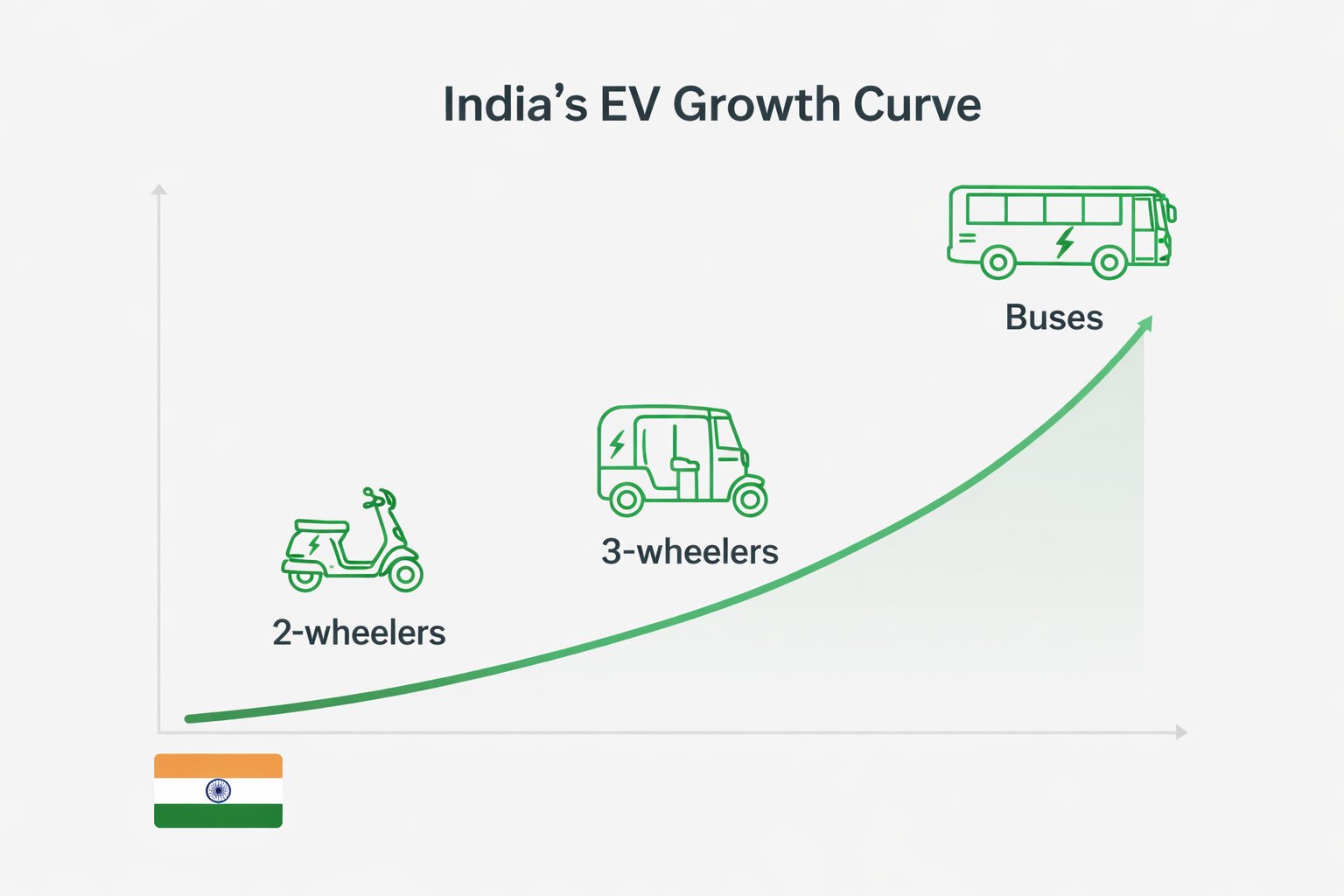
According to NITI Aayog, EV sales — particularly 2-wheelers, 3-wheelers, and commercial fleets — are growing rapidly. Yet the charging infrastructure lags far behind. That gap is your business opportunity.
“EV charging stations are now a de-licensed activity in India — any individual or company can set them up without a government licence, subject to standard safety guidelines.”
Investment Breakdown — What Does It Actually Cost?
One of the most common questions: how much money do I need? The answer depends on the scale you choose. Here is a realistic breakdown for each entry point.
| Setup Type | Investment Range | Best For |
|---|---|---|
| AC Charger (Basic, 2-port) | ₹5 – 10 Lakhs | Apartments, offices, small parking |
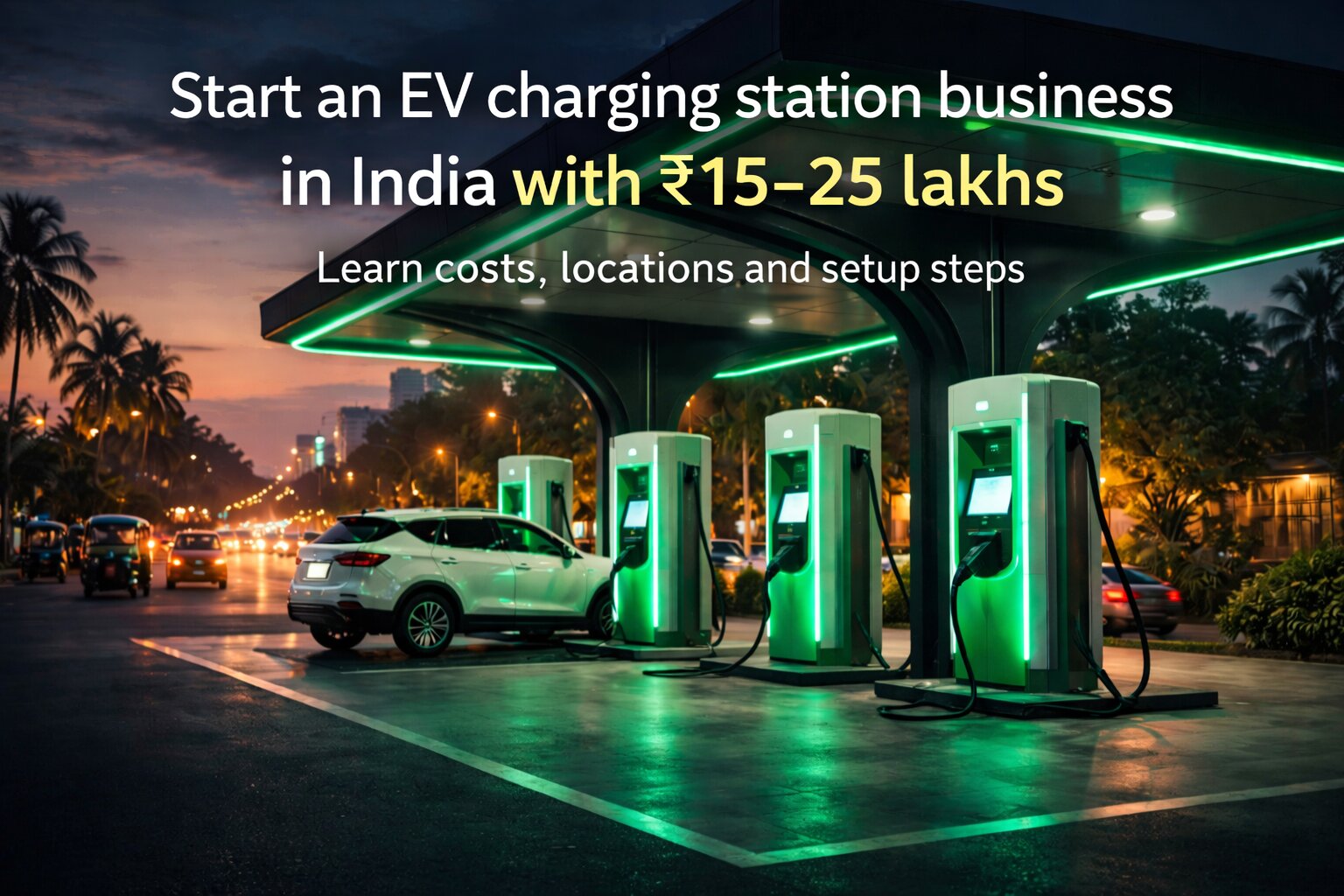
| DC Fast Charger (Commercial) | ₹15 – 25 Lakhs | Malls, petrol pumps, highways |
| High-end / Multi-gun Setup | ₹50 L – ₹1 Cr+ | Highway corridors, fleet hubs |
What the investment covers
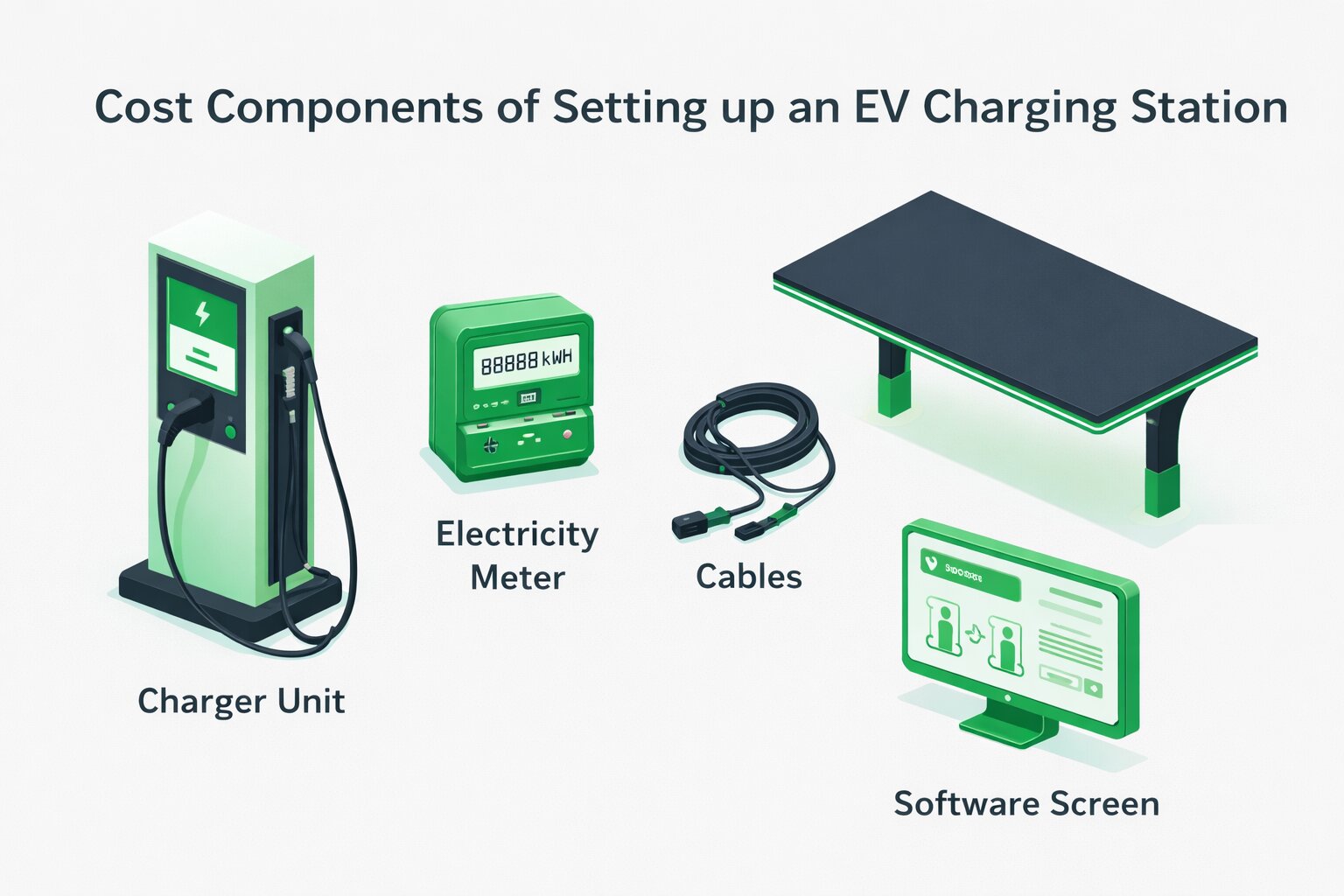
- Land acquisition or rental (key cost variable)
- Charger hardware — AC or DC units
- Commercial electricity connection + transformer
- Civil work, canopy, cabling, earthing
- Software & network integration
- Optional: staff, CCTV, signage
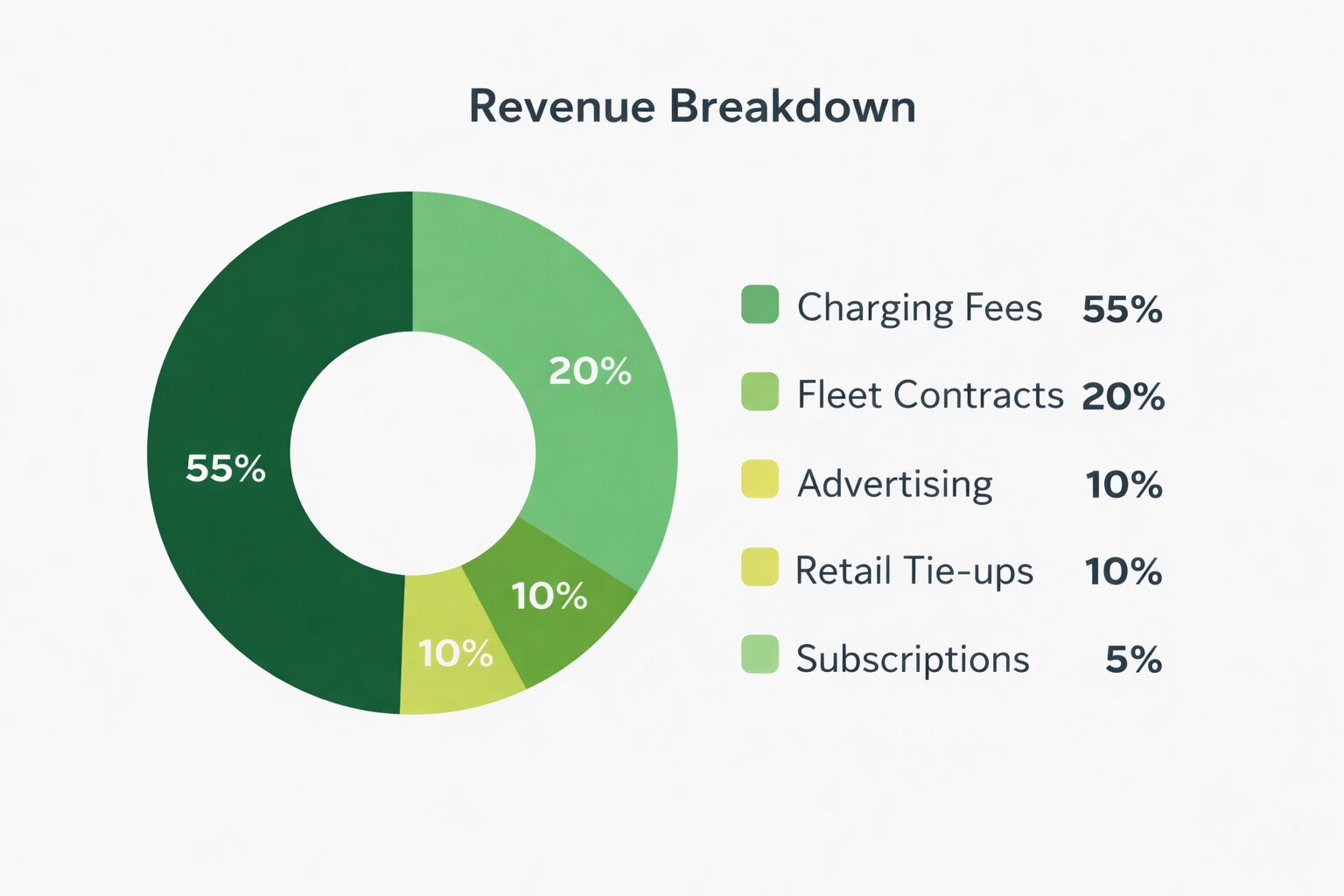
Revenue Streams — How You Will Make Money
An EV charging business is not a single-revenue model. Smart operators layer multiple income sources on top of the core charging fee.
Business Models — Which One is Right for You?
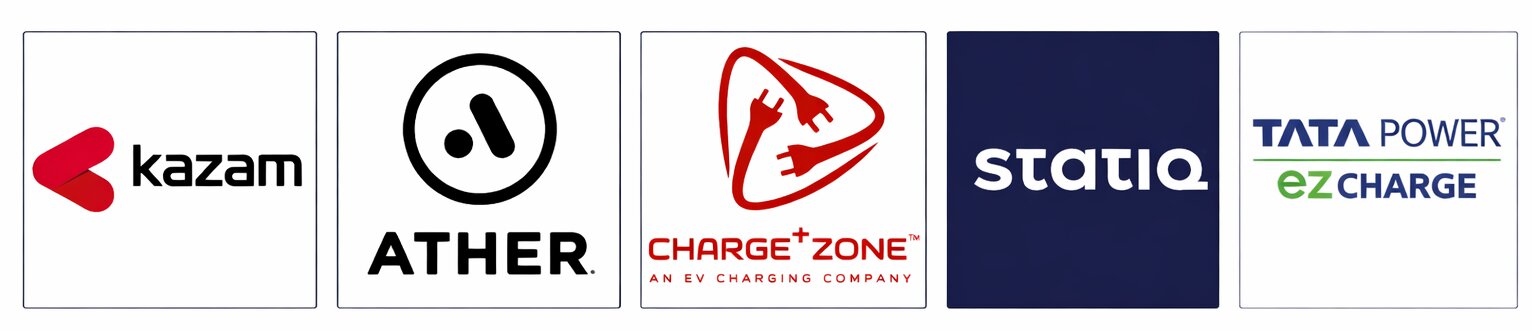
Before you invest a single rupee, decide which business model fits your risk appetite and available capital. There are two primary models in India’s EV charging ecosystem.
Location Strategy — The Single Biggest Factor in Your Success
In EV charging, location determines everything. A DC fast charger in a dead-end lane will fail. The same charger next to a busy petrol pump or mall will pay off within 18 months. The rule is simple: high visibility + high dwell time = strong revenue.
Best locations ranked by ROI potential
Highways are especially powerful because EV owners on long-distance trips must stop — making your charger a necessity, not a choice. Fleet operators also prefer highway corridors for overnight charging stops.
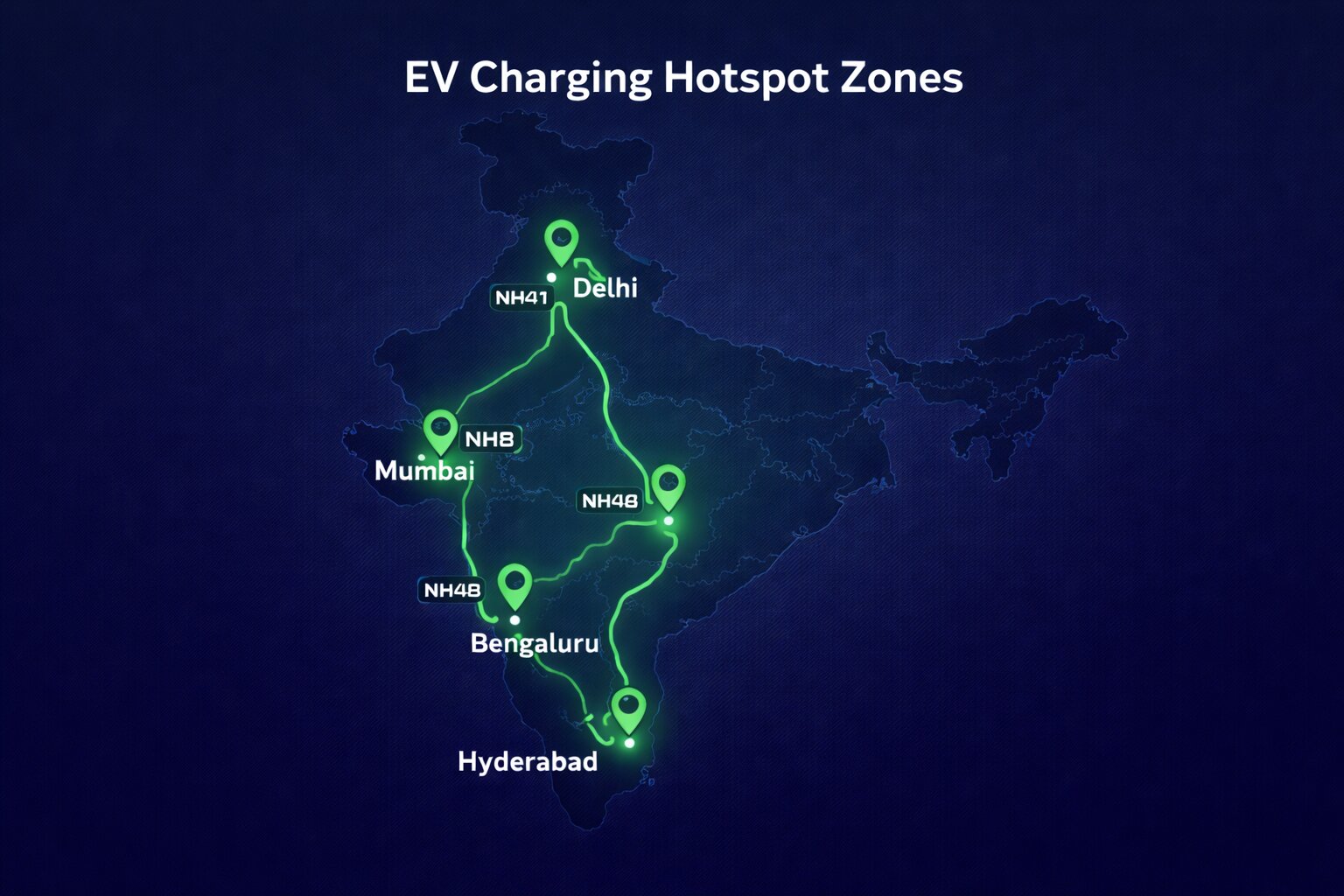
Pro tip: Before finalising a site, check the EVSE portal (Bureau of Energy Efficiency) and Google Maps to see where the nearest competitor stations are. Ideal gap = no charger within 15 km on a highway, 3 km in a city.
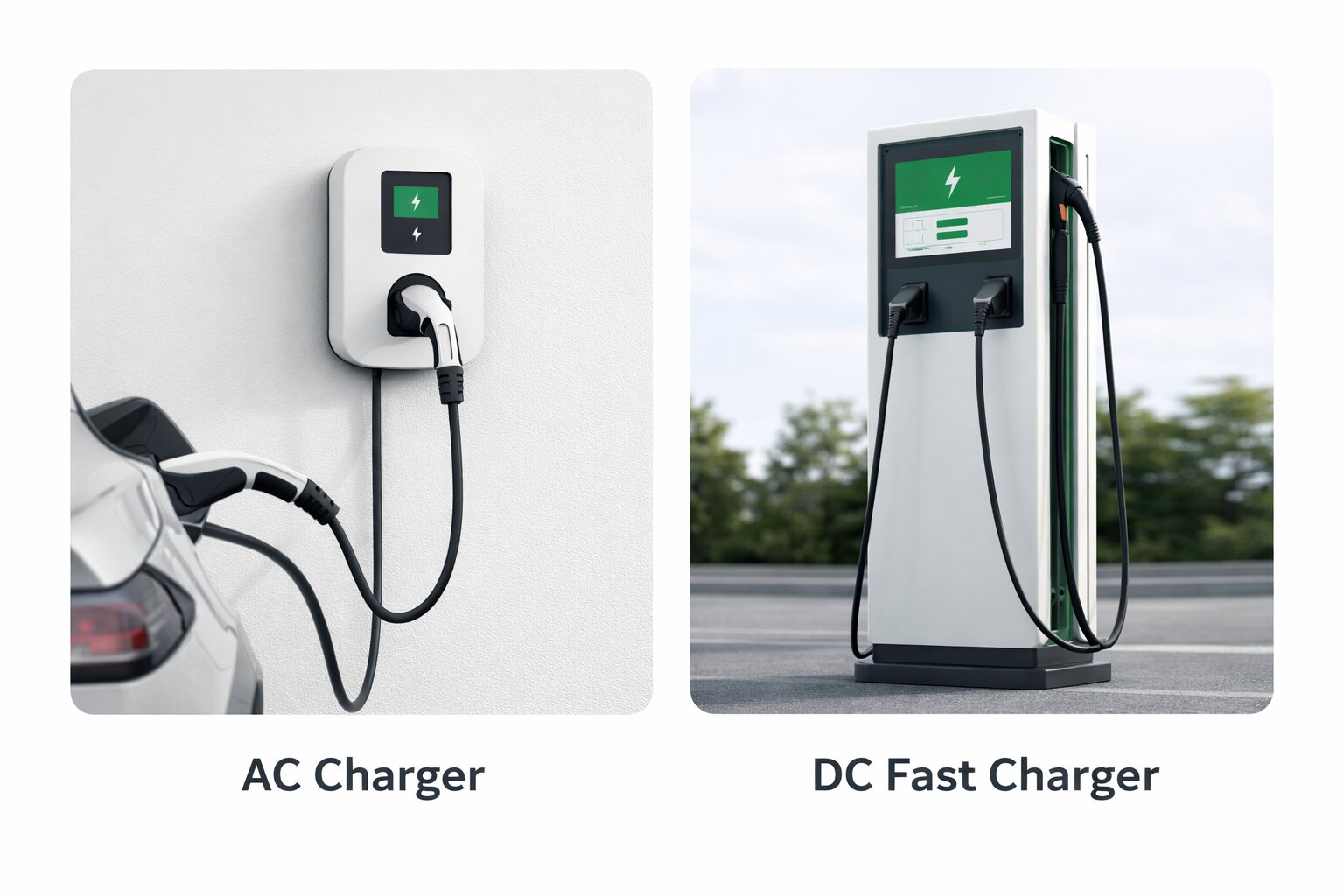
Types of EV Chargers — AC vs DC
Choosing the wrong charger type is a costly mistake. Here is a clear breakdown of both options.
Speed: 6–10 hours (full charge)
Power: 3.3 kW – 22 kW
Use: Residential, offices, parking lots
Return: Low (unless high overnight utilisation)
Speed: 30–60 minutes (80% charge)
Power: 30 kW – 120 kW
Use: Highways, malls, commercial
Return: High with good location
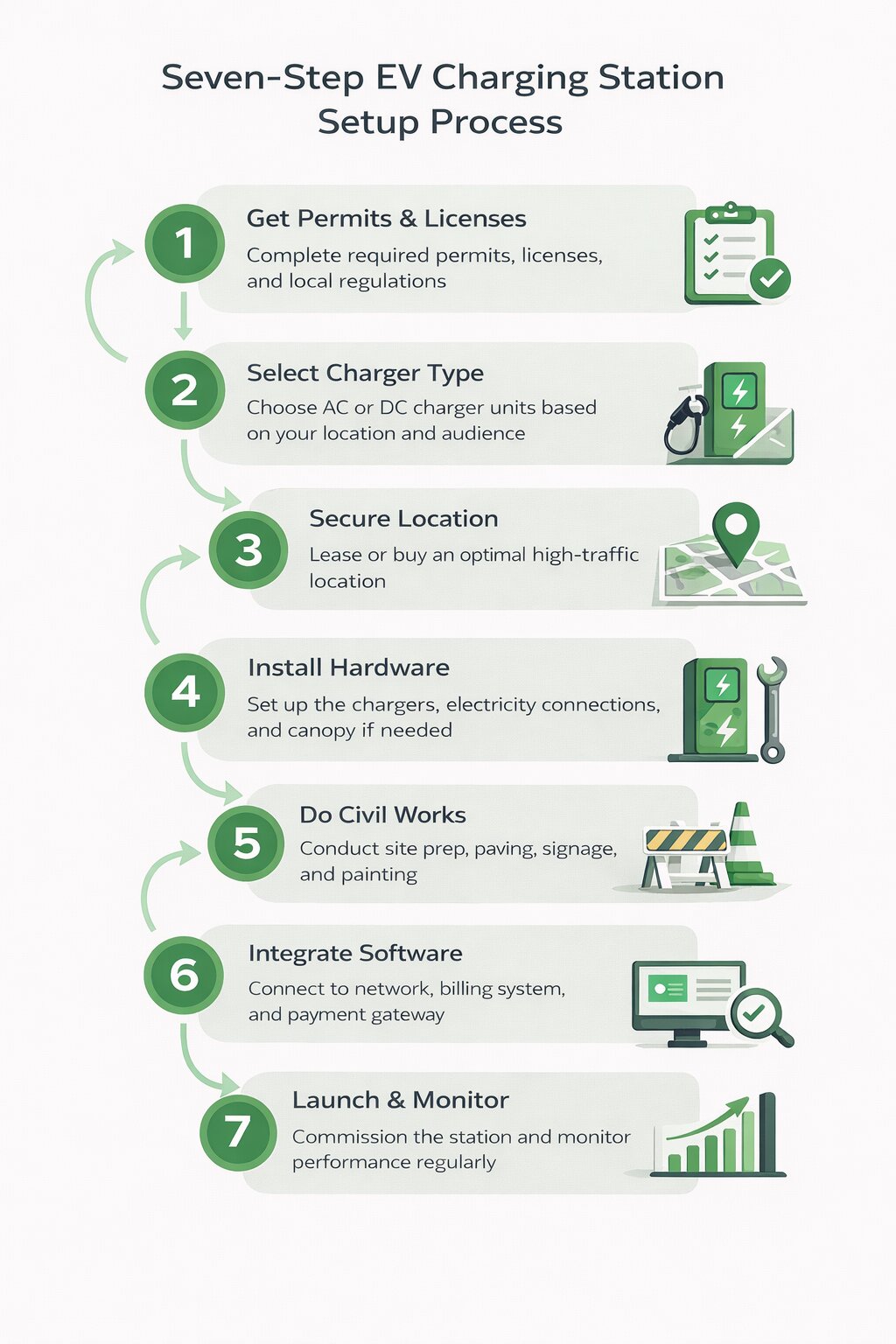
Step-by-Step Setup Process — From Idea to Live Station
Follow this exact sequence. Skipping steps — especially the power connection — is the most common reason first-time operators face costly delays.
Site Selection & Land Arrangement
Shortlist 3–5 candidate locations. Evaluate footfall, proximity to highways or commercial zones, parking space (minimum 550 sq. ft. for 2 cars). Negotiate a lease — ideally with the landowner getting a revenue-share deal instead of fixed rent.
Choose Your Charger Type & Vendor
Decide AC or DC based on your target customers. Get quotes from at least 3 hardware vendors (ABB, Delta, Exicom, Servotech). Ensure chargers are BIS-certified and compatible with CCS2 and CHAdeMO connectors.
Apply for Commercial Electricity Connection
Visit your state DISCOM office (e.g. MSEDCL in Maharashtra, BESCOM in Karnataka). Apply for a commercial meter + transformer. This step takes 4–12 weeks — start early. Budget ₹2–5 lakhs for the connection + transformer setup.
Register with a CPO Network & Government
Register on the EVSE (BEE) portal. Join a Charge Point Operator network like Statiq, ChargeZone, or Tata Power for software, payment, and listing support. This gives your station visibility across their apps immediately.
Civil Work, Installation & Safety Setup
Hire a certified electrical contractor. Install cabling, earthing, switchgear, canopy, and the charger units. Ensure proper fire safety equipment is on-site per BEE guidelines. Get electrical inspection clearance before going live.
Software Integration & Payment Setup
Set up the OCPP-compliant station management software. Configure payment gateways (UPI, card, app-based). Integrate with your CPO’s dashboard for real-time monitoring. Test the full user journey: arrive → plug in → pay → charge → leave.
Go Live & Market Your Station
List on Google Maps as an EV Charging Station. Register on PlugShare, Tata Power app, EVSE portal. Run local promotions — free first charge for the first week. Contact nearby EV owner communities on Facebook Groups and WhatsApp.
Government Policy, Subsidies & Licenses
The Indian government has genuinely made this business easy to enter. Here is what you need to know — and what support you can claim.
No licence required. EV charging is a de-licensed activity under the Electricity Act. You do not need a Central or State government licence to operate a public EV charging station.
Subsidies & incentives available
- FAME II Scheme — Central government subsidy for EV charging equipment (check current phase eligibility)
- State EV policies — States like Maharashtra, Delhi, Gujarat, Karnataka offer capital subsidies and electricity tariff concessions
- Low electricity tariff — Several states offer preferential commercial tariffs for EV charging (₹5–7/unit vs ₹9–12 for regular commercial)
- DISCOM support — Some DISCOMs offer fast-track power connections for EV charging applications
Technology & Smart Fleet Integration
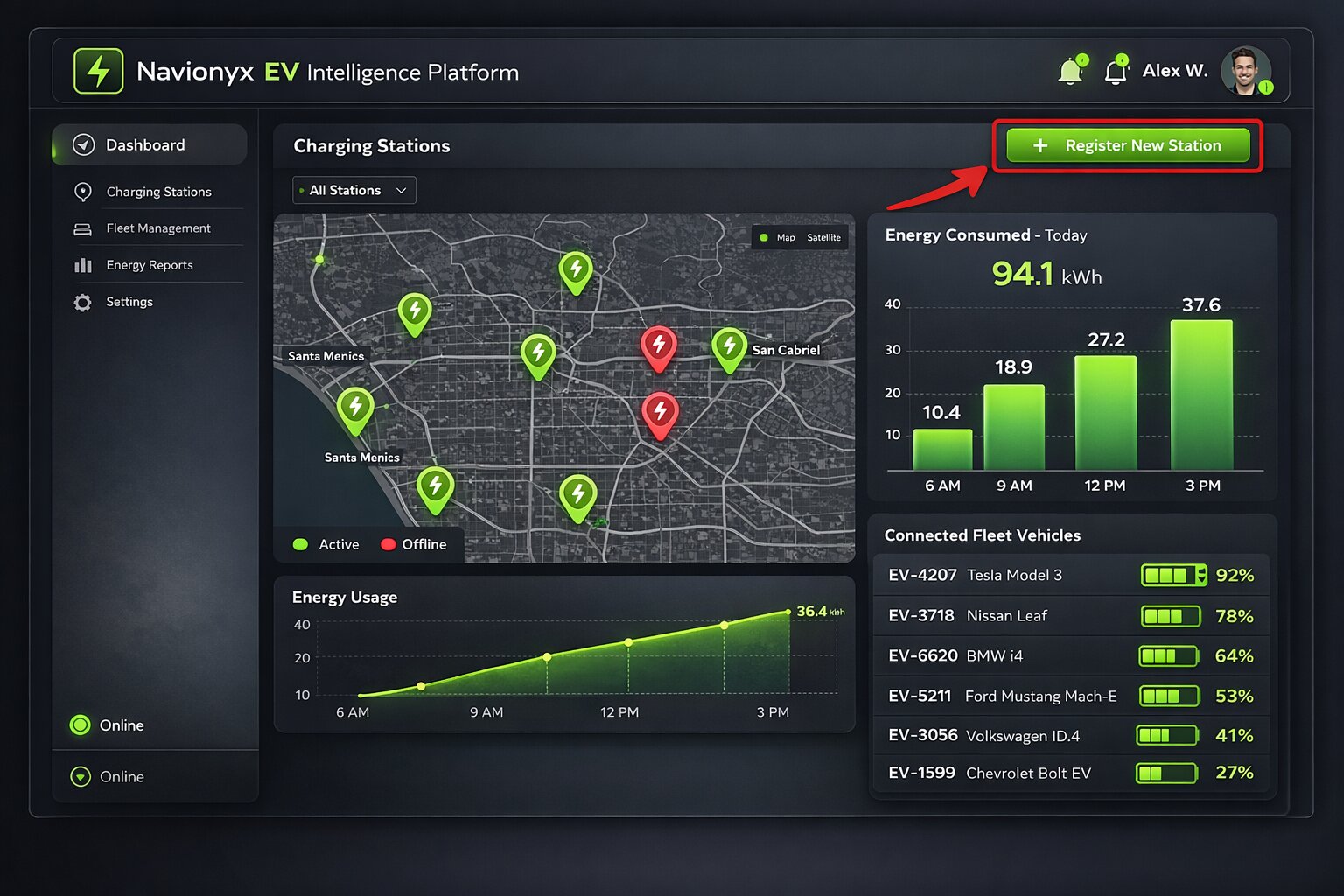
Setting up the charger is only the beginning. Operators who scale beyond 2–3 stations quickly discover they need intelligent software to manage performance, prevent downtime, and serve fleet customers efficiently.
As your station network grows, you will need:
- Real-time charger uptime monitoring and fault alerts
- Energy consumption analytics (per session, per day, per station)
- Fleet vehicle integration — track which vehicles charge when, and bill automatically
- Predictive maintenance — AI-based alerts before a charger fails
- Payment reconciliation dashboards
Is This the Right Business for You?
Starting an EV charging station in India in 2026 is one of the strongest infrastructure bets available. The market is government-backed, growing fast, and the barrier to entry is lower than most people assume. A ₹15–25 lakh investment in the right location can generate meaningful monthly income within 6–12 months of operation.
The operators who will win long-term are those who combine the right location with smart technology — not just a charger on a wall, but an intelligent, monitored, fleet-ready ecosystem.
Ready to build your EV charging business?
Talk to Navionyx — India’s EV Intelligence Platform — to monitor charger performance, track fleet usage, and scale your station network with AI-powered insights.
Talk to Navionyx →